Parfum Pria Segar & Kalem buat Kerja Seharian (Aman buat Hidung Sensitif)
Kamu bukan tipe yang pengen jadi pusat perhatian setiap kali masuk ruang rapat. Bukan juga yang hobi bikin orang bersin dari jarak dua meter. Kamu cuma mau wangi yang ngerti tempat. Wangi yang baru tercium setelah orang cukup dekat untuk menghargai, bukan yang mengumumkan kedatanganmu sebelum kamu buka pintu.
Masalahnya, "wangi segar" di pasaran sering diterjemahkan jadi citrus tajam atau mint yang menusuk sampai ke ubun-ubun. Atau kalemnya kebablasan jadi bau sabun mandi yang hilang dalam 30 menit. Dua-duanya gagal.
Di balik itu, yang sebenarnya kamu cari bukan cuma aroma. Kamu cari rasa percaya diri yang tenang. Perasaan "gue udah rapi, udah siap, dan nggak perlu khawatir aroma gue ganggu orang lain." Itu keinginan dasarnya. Kita bahas tuntas dari situ.
Kenapa "Segar dan Kalem" Itu Rumit?
Di dunia parfum, segar biasanya identik dengan proyeksi tinggi. Citrus, mint, aquatic—mereka terkenal nyaring di awal. Bagus kalau kamu di outdoor atau acara santai. Tapi di ruang meeting ber-AC, itu bisa jadi senjata makan tuan.
Kalem, di sisi lain, sering disamakan dengan lemah. Wangi yang nggak hadir. Padahal, yang kamu butuhkan adalah kehadiran yang terkontrol. Cukup ada untuk bikin kamu merasa bersih dan rapi, tapi nggak sampai "nyetir" hidung orang lain.
Ini yang jarang dibahas: hidung sensitif itu ada dua jenis. Pertama, hidungmu sendiri. Kamu mungkin gampang pusing kalau nyium aroma terlalu kompleks atau tajam. Kedua, hidung rekan kerja yang nggak kamu tahu batas toleransinya. Mereka nggak akan bilang "parfum lu nyengat," tapi diam-diam menghindari mejamu.
Jadi, kalau kita memakai prinsip first principle: pekerja kantoran nggak butuh parfum yang "paling wangi". Mereka butuh parfum yang bikin mereka pede kerja dekat siapa saja, tanpa menimbulkan masalah baru.
Karakter Aroma yang Kamu Cari
Dari observasi sebagai sesama pemakai, ada 3 "tes lakmus" untuk aroma kerja yang aman:
-
Bukaan yang halus, bukan tamparan. Citrus lembut masih oke. Yang harus dihindari: citrus sintetik tajam atau alkohol menyengat di awal semprot. Cari yang dari detik pertama udah terasa "bundar"—nggak ada sudut tajam yang bikin hidung kaget.
-
Jantung aroma yang dekat dengan kulit (moderate sillage). Ini istilah "jejak aroma". Untuk kantor, idealnya hanya tercium dalam radius jabat tangan. Orang di seberang meja rapat nggak perlu ikut mencium. Prinsip ini yang bikin aroma kamu terasa personal dan profesional.
-
Base yang "bersih". Musk putih, kayu ringan (cedarwood, sandalwood bersih), sedikit amber transparan. Hindari base smoky, oud, atau leather dominan—itu karakter setelah jam kerja, bukan untuk meeting jam 10 pagi.
Konsep "bersih" ini penting. Aroma bersih secara psikologis menanamkan asosiasi bahwa orangnya juga bisa diandalkan. Itu somatic marker—jembatan antara indra penciuman dan penilaian otak seseorang terhadapmu.
Rekomendasi: Pilihan yang Masuk Akal buat Kerja
Dari beberapa varian yang ada di pasaran, karakter di atas sebenarnya cukup langka. Banyak parfum segar yang terlalu "muda" (kesan mahasiswa), dan banyak yang kalem terlalu "tua" (kesan serius kaku). Menemukan yang di tengahnya tidak gampang.
Satu yang mendekati kebutuhan itu adalah EXISTENCE Calm Men.
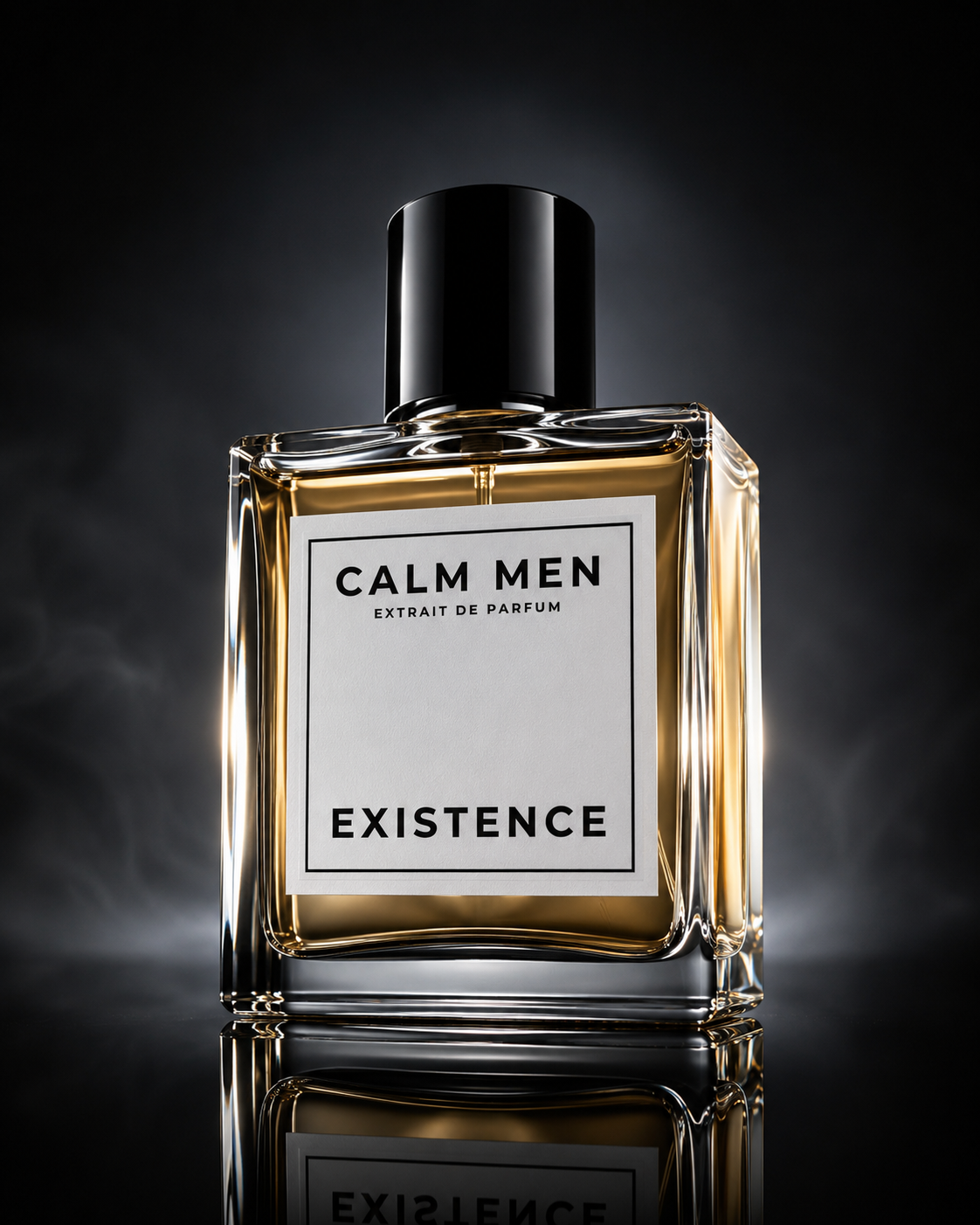
Dari profilnya, ini Extrait de Parfum dengan pendekatan clean & segar yang jelas: citrus lembut, mint, green, dan base woody bersih. Tidak ada indikasi aroma yang menusuk. Konsep "tenang, bersih, terkontrol" dari deskripsinya langsung mengunci siapa yang paling cocok: pria yang ingin wangi rapi tanpa usaha dan tanpa bikin orang sekitar nengok karena alasan yang salah.
Ini penting banget buat apa yang disebut smallest viable audience-nya: si pekerja kantoran yang hari-harinya penuh interaksi dekat. Tim internal. Meeting klien. Makan siang satu meja. Aktivitas yang bikin "bau parfum terlalu keras" jadi bumerang sosial.
Tentu saja, ini bukan klaim bahwa dia yang paling tahan lama atau paling murah. Dari konsentrasi Extrait-nya, secara umum logikanya dia punya modal untuk performa seharian. Tapi seperti semua parfum, performa di kulit masing-masing orang beda. Faktor parfum pria tahan lama itu gabungan konsentrasi, cuaca, dan jenis kulit. Yang bisa kita pastikan: profil aromanya menjawab kegelisahan awal tadi.
Kalau penasaran apakah ada yang lebih "meninggalkan jejak" tapi tetap aman, kadang jenis aroma tertentu punya efek lebih "lengket" tanpa harus lebih keras. Konsep ini saya bahas di artikel soal parfum pria yang disukai wanita—bukan untuk menggoda, tapi untuk memahami aroma seperti apa yang secara biologis bikin orang merasa nyaman di dekat kita. Tapi itu tambahan. Untuk sekarang, balik ke kebutuhan dasar: segar, kalem, aman.
Cara Pakai Biar Wangi Kerja Maksimal (Tanpa Ganggu)
Dari pengalaman sebagai pemakai, ini adalah ritual sederhana yang bikin perbedaan besar:
-
Jangan semprot langsung ke leher depan atau dada. Ini sumber "parfum menusuk" yang langsung naik ke hidung. Alihkan ke titik nadi yang lebih rendah dan tersembunyi: belakang leher (dekat garis rambut), belakang telinga, dan pergelangan tangan (jangan gosok—ini merusak struktur aroma).
-
Satu semprot di baju bagian dalam (dekat dada, tapi di balik kemeja). Ini memperlambat penguapan dan menciptakan aura yang lebih lembut. Tekstil menahan aroma lebih lama dari kulit, tapi menyebarkannya lebih halus—pas untuk setting kantor.
-
Timing semprot: 10 menit sebelum masuk mobil atau naik transportasi. Biarkan alkohol menguap duluan dan aroma mulai "tenang". Jangan semprot pas udah di parkiran kantor—itu masih fase bukaan yang paling keras.
-
Kurangi kalau cuaca panas. Panas menguapkan aroma lebih cepat dan membuat proyeksinya lebih besar. Di hari panas, setengah semprot (atau semprot di titik yang tertutup baju aja) lebih aman.
Masalah "kok cepet ilang?" seringkali bukan karena parfumnya jelek, tapi karena kamu mulai nggak mencium aromanya sendiri. Itu fenomena olfactory fatigue—otakmu memfilter bau yang konstan. Percayalah, orang lain masih menciumnya. Kalau memang khawatir performa, ada panduan lengkap di parfum pria tahan lama 24 jam: mitos atau fakta.
Jujur: Ini Bukan untuk Semua Orang
Transparansi sebagai sesama pemakai itu penting.
Parfum segar-kalem macam EXISTENCE Calm Men ini bukan untuk kamu yang ingin dikenal sebagai "si wangi" satu kantor. Dia tidak dirancang untuk mengisi seluruh ruangan. Ini untuk kamu yang ingin dihormati lebih dulu sebelum diperhatikan, dan aroma hanyalah bagian kecil dari personal brand-mu yang rapi dan terkontrol.
Juga, kalau preferensi olfaktif kamu ke sesuatu yang lebih kompleks, sedikit manis, atau sedikit gelap, ini mungkin terasa terlalu "aman." Tapi di situlah intinya. Aman, dalam konteks kerja, adalah nilai jual utama. Bukan kelemahan.
Apa Kata Pembeli (Ulasan Asli dari Shopee)
⭐ 4.8/5 dari 631+ ulasan pembeli — ini suara mereka, bukan klaim kami.
"Aroma:wanginya enak Tekstur:cair Kualitas:asli enak parah coo Gak nyangka bakal sebagus ini sih jujur 😭🙏🏼 Awalnya cuma iseng nyoba Calm Men karena temen gue pake dan wanginya enak banget, calming tapi tetep maskulin g…"
— rah*** · ⭐⭐⭐⭐⭐"Parfumnya udah mendarat dg sempurna, wanginya enak karna beberapa notesnya emang mirip dg parfum harianku, sisa tunggu dimaserasi dulu. Btw gak tau cara buka botol atomizernya😱😱"
— bul*** · ⭐⭐⭐⭐⭐"Aroma:wangi Tekstur:cair Kualitas:belum tau Parfumnya udh sampe, baru disemprot sekali tapi langsung di maserasi soalnya belom terlalu keluar wanginya takut salah kasih ulasan dan karna mungkin kena kurir effect. Ntr …"
— riz*** · ⭐⭐⭐⭐⭐
Lihat semua ulasan asli di Shopee →
FAQ
Q: Apakah parfum segar dan kalem benar-benar bisa tahan seharian di kantor? A: Bisa, terutama kalau dalam konsentrasi EDP atau Extrait. Tapi "tahan" di sini bukan berarti proyeksinya keras 8 jam. Lebih ke aroma yang tetap ada sebagai skin scent—hanya tercium saat orang dekat. Itu ideal untuk kantor.
Q: Apa ciri-ciri parfum yang aman untuk hidung sensitif? A: Bukaan yang tidak tajam (minimal alkohol menyengat), tidak ada dominasi bahan aromatik sintetis yang menusuk, dan base yang bersih seperti musk putih atau kayu ringan. Aroma yang terasa 'bundar' dan tidak bersudut.
Q: Bagaimana cara tahu parfum saya tidak menyengat buat orang lain? A: Tanya satu orang yang kamu percaya dan minta komentar jujurnya 30-60 menit setelah semprot. Atau, kalau kamu sendiri mulai merasa aromanya menguat atau sedikit pusing seiring waktu, kemungkinan besar itu terlalu keras untuk ruangan.
Q: Kapan waktu terbaik memakai parfum untuk kerja? A: 10-15 menit sebelum berangkat. Bukan sesaat sebelum masuk ruang kerja. Ini memberi waktu supaya fase bukaan (yang seringkali paling tajam) menguap terlebih dahulu.
Q: Apakah parfum Extrait de Parfum lebih cocok untuk kantor? A: Tidak selalu, tapi punya keunggulan. Dengan konsentrasi minyak wangi yang lebih tinggi, biasanya penguapannya lebih stabil dan lambat. Ini menciptakan aroma yang lebih dekat ke kulit, ketimbang menyebar agresif seperti EDT.
Q: Berapa banyak semprotan yang pas untuk parfum kerja? A: Untuk Extrait atau EDP, 1-2 semprotan di titik nadi tersembunyi sudah cukup. Lebih dari itu, Anda berisiko mengisi ruangan.